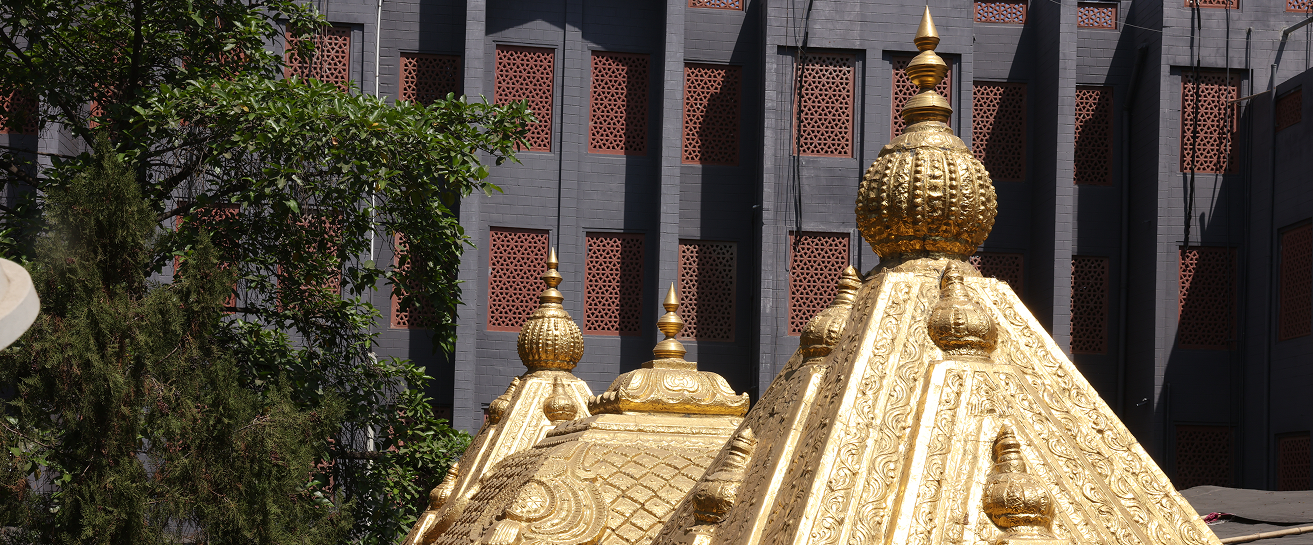
The Temple Premises test
The sacred seat of the Guru — where Baba first appeared beneath the ancient neem tree
About Lendi Gardens
From barren ground to a garden of spiritual significance
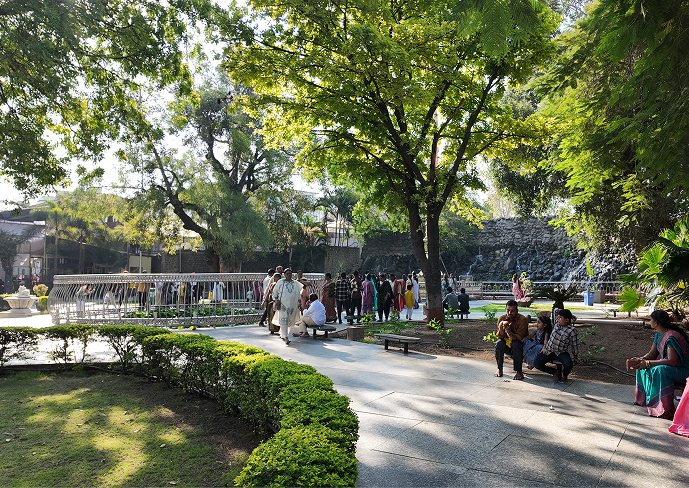
Lendi Gardens takes its name from the Lendi — a natural drainage channel or nala — that ran through this part of Shirdi's outskirts. When Shri Sai Baba began visiting this area as part of his daily routine, it was a rough, thorny, largely barren tract on the edge of the village. There was nothing to make it remarkable except Baba's choice to visit it, which transformed it entirely.
Baba visited Lendi daily — sometimes twice, in the morning and the afternoon — throughout his years in Shirdi. He would leave Dwarkamai, walk through the village streets, and make his way to this quiet ground. There he would attend to natural needs, walk, sit in solitude, and enter into the deep states of meditation and contemplation that were the foundation of his inner life.
Abdul Baba — known formally as Syed Falke but called Abdul by Baba's devotees — was a devoted companion who accompanied Baba on his visits to Lendi and who maintained the area. Abdul Baba's quiet, selfless service in caring for Lendi and for Baba during these visits was an expression of the deep love and surrender that characterized his discipleship.
Over the years, as Shirdi grew in importance as a place of pilgrimage, the land at Lendi was gradually acquired by the Sansthan. It was later landscaped and developed into a garden, with trees, paths, flowers, and facilities for pilgrims, though the essential simplicity and spiritual character of the place has been carefully maintained.
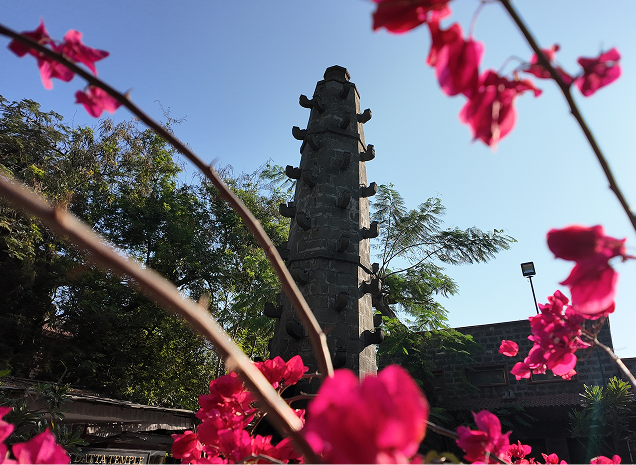
Walking Baba's Route to Lendi
The sacred path Baba walked from Dwarkamai to the gardens
Baba's walk from Dwarkamai to Lendi followed a habitual route through the streets of Shirdi that devotees have traced and retraced for over a century. The route passed through the heart of the village, taking Baba past some of its most significant spiritual sites and through the everyday life of its people.
Leaving Dwarkamai, Baba would pass Gurusthan — the sacred site of the ancient neem tree where he had first appeared in Shirdi. He would then continue past the Vittal temple, one of Shirdi's established places of worship, and further to the Kanifnath temple, another important devotional site on the route. From there, the path led to Lendi itself.
As Baba walked this route, he would often be accompanied by devotees who wished to be near him. He would sometimes stop and speak with people he encountered, sometimes simply continue in silence. Those who walked with him on these daily journeys described the experience as one of quiet spiritual nourishment — the simple act of being in Baba's company as he moved through ordinary village life had an extraordinary quality.
This route through Shirdi has become a kind of informal pilgrimage path in itself. Devotees today walk the same streets that Baba walked, pausing at the significant points along the way, and those who do so with awareness and devotion often report a palpable sense of Baba's continuing presence along the path.
Nanda Deep
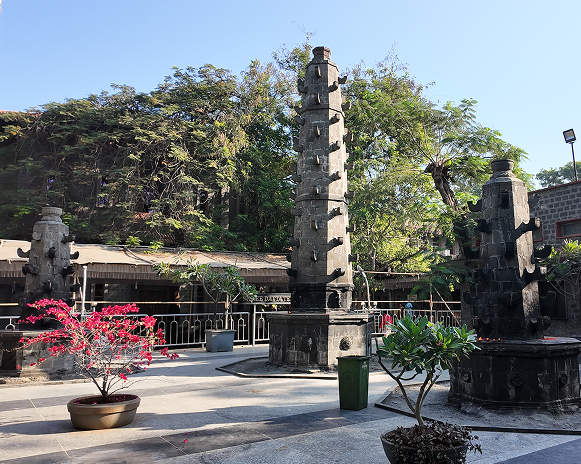
At the heart of Lendi Gardens burns the Nanda Deep — the "joyful lamp" or "perpetual lamp" — a sacred flame that Baba himself established and that has continued to burn without interruption since his time. "Nanda" means joy or that which gives joy; "Deep" means lamp. The Nanda Deep is thus a lamp of perpetual joy — a flame maintained in honour of the divine.
The Nanda Deep is also sometimes called the Akhanda Deep — the unbroken lamp. Baba dug a pit at Lendi and established the lamp within it, tending to it personally and ensuring that it burned continuously. The establishment of the lamp was an act of deep significance — in Indian spiritual tradition, a perpetually burning lamp represents the constant presence of the divine and the devotee's eternal surrender to it.
Two sacred trees planted by Baba himself stand at Lendi Gardens: a neem tree and a Bodhi tree (sacred fig / pipal tree). The Bodhi tree is particularly significant in the Indian spiritual tradition as the species of tree under which the Buddha is said to have attained enlightenment, making its presence at Lendi Gardens another of Baba's quiet gestures towards the universality of spiritual truth across traditions.
Baba would sit near the Nanda Deep in contemplation — sometimes for extended periods, absorbed in that deep inner stillness that was the foundation of his outer activity. Those who observed him in these moments at Lendi describe a quality of absolute stillness and absorbed presence that was unlike anything they had seen elsewhere.
Near the Nanda Deep, Baba would also place a pot of water. The water placed by Baba near the perpetually burning lamp is associated with several accounts of miraculous occurrence. The juxtaposition of fire and water at this sacred spot represents the union of opposites — the harmony that Baba embodied in his own person and taught through his presence and example.
Abdul Baba — Devoted Keeper of Lendi test
Abdul Baba (Syed Falke) was a Muslim devotee who had come to Baba as a young man and devoted his entire life to his service. His particular role was the maintenance of the Lendi area and the care of the Nanda Deep lamp. He would sweep the paths, tend the plants, maintain the lamp, and accompany Baba on his daily visits with quiet, selfless dedication. Abdul Baba lived to an advanced age and remained at Shirdi in devoted service for decades.
The Neem and Bodhi Trees
The neem tree and Bodhi tree planted by Baba at Lendi are living memorials of his presence. As with the neem tree at Gurusthan, the neem tree at Lendi is venerated by devotees who believe that Baba's spiritual energy continues to emanate from it. The Bodhi tree stands as a silent reminder of the universality of Baba's teaching — that the divine is accessible through any sincere tradition, and that the trees planted in wisdom carry that wisdom forward through time.
